BLOG
Complete Guide to Planning a Residential Move in Brisbane CBD Apartments and High-Density Buildings with Limited Access and Lift Restrictions
Building access rules and their impact on moving schedules
Most apartment buildings in Brisbane CBD operate with strict access requirements. These can include pre-booked lift times, security registration, and designated loading bays that are shared across all residents.
Lift bookings are often limited to specific time windows, usually outside peak residential hours. If a booking is missed or overlaps with another resident’s move, the entire schedule can be delayed. Some buildings also require protective padding to be installed in lifts before furniture is moved, which adds setup time before any loading begins.
Security protocols can also slow entry. Removalists are often required to sign in, provide identification, and follow specific loading dock procedures. These steps are necessary for building management but need to be factored into the overall timeline.
Loading zones and street access limitations in the CBD
Brisbane CBD streets are heavily regulated when it comes to parking and loading. Dedicated loading zones are often time-restricted, and some streets prohibit long vehicle parking during business hours.
This affects how close a removal truck can park to the building entrance. In many cases, furniture must be moved through longer distances between the truck and the lift access point. When loading zones are unavailable or occupied, additional time is required to reposition the vehicle or wait for access.
Traffic conditions also play a role. Peak congestion periods in the CBD can extend travel times between jobs, especially when multiple trips are required for larger apartments.
High-rise layouts and internal movement challenges
Apartment layouts in Brisbane CBD vary widely, from compact studio units to multi-level penthouses. Narrow hallways, tight corners, and shared corridors often limit how large furniture can be moved through a building.
Items such as sofas, beds, and wardrobes may require partial disassembly before being moved. This is not only for convenience but to prevent damage to both the item and the building interior.
Carpeted hallways and polished floors also require protective measures during transport. Floor coverings and wall protection are commonly used to reduce the risk of scuffing in high-traffic areas.
Coordination between residents, body corporate, and removalists
Successful apartment moves rely heavily on coordination between the resident, building management, and the removalist team. Without clear communication, delays can occur at multiple points in the process.
Body corporate requirements often include advance notice periods before a move can take place. Some buildings require written confirmation of insurance coverage before approving access. These administrative steps are a standard part of CBD relocations and need to be completed before moving day.
Clear timing alignment ensures lift access, parking availability, and removalist arrival all match the approved schedule.
Timing considerations for CBD apartment moves
Time of day has a direct impact on efficiency in Brisbane CBD moves. Early morning starts are commonly used to avoid traffic congestion and to secure loading zone availability before peak demand.
Afternoon moves can be more restricted due to building noise rules and increased street activity. Weather conditions can also influence scheduling, particularly during periods of heavy rain when loading docks and external walkways become less accessible.



DISCOVER WHAT OUR CUSTOMERS HAVE TO SAY ABOUT US
REVIEWS
REVIEW US ON GOOGLE
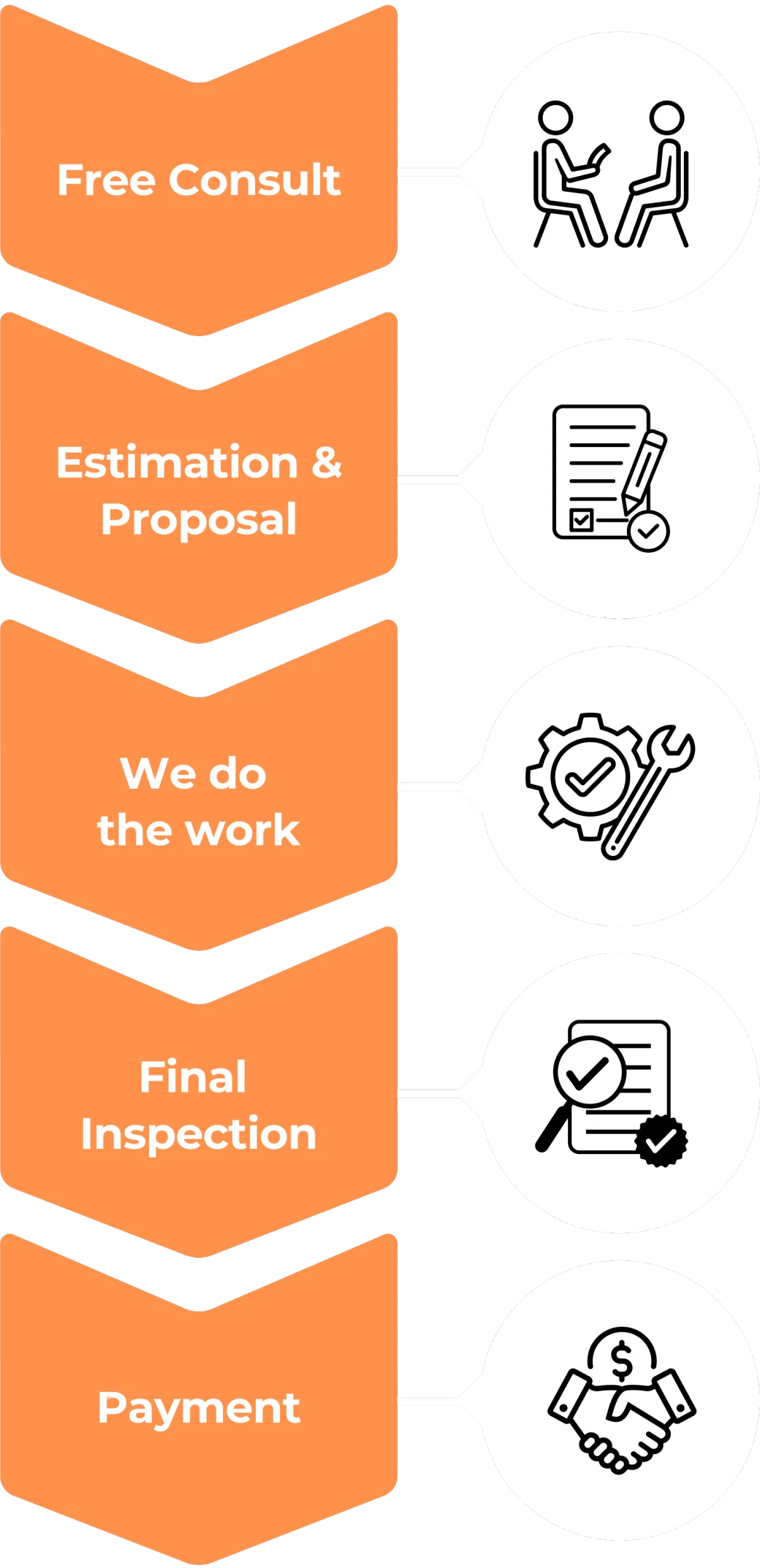
our process
Our process is simple and only contains a few simple steps

READY TO take the next step?
get a free quote TODAY!
IBV Transport Removalists Brisbane
1/16 McDougall St, Milton QLD 4064
0485 994 967
