BLOG
How IBV Transport Manages Residential Moves Across Complex Access Conditions and Multi-Level Properties in Brisbane
Coordinating access in apartments and multi-level buildings
Multi-level residential buildings in Brisbane typically require structured coordination before any physical moving begins. Lift access, loading dock use, and building entry points are often controlled through booking systems managed by body corporate or building management.
These systems determine the exact time window available for moving furniture in and out of the building. If multiple residents are moving on the same day, access times may be staggered, requiring careful scheduling to avoid overlap.
Protective measures are commonly required in shared spaces such as lifts and corridors to reduce wear on common property surfaces.
Handling access constraints in suburban properties
Suburban homes across Brisbane vary widely in street layout and driveway design. Some properties allow direct truck access, while others require longer carry distances due to narrow streets, parked vehicles, or sloped driveways.
These conditions affect how loading is structured. Items may be staged closer to the property before being loaded onto the truck in phases, particularly where direct access is limited.
In tighter streets, vehicle positioning becomes a key part of the planning process to avoid blocking traffic or limiting neighbour access.
Scheduling moves across different suburbs and conditions
Moves across Brisbane require adjustment depending on suburb layout and traffic conditions. Inner-city areas often involve stricter timing and parking controls, while outer suburbs allow more flexible access but may involve longer travel distances between jobs.
Scheduling is often arranged to account for these differences, ensuring that time is allocated appropriately for both access complexity and travel time between locations.
Peak traffic periods can influence how multiple jobs are sequenced within a single day.
Managing multi-stop and staged residential moves
Some residential moves involve multiple pickup or drop-off locations. This is common when households are relocating items between storage, shared residences, or staged housing arrangements.
In these situations, load organisation becomes important. Items are grouped based on destination to reduce unnecessary handling at each stop.
Clear sequencing of drop-offs helps reduce reloading and keeps the process efficient across multiple addresses.
Protecting property and items during varied access conditions
Different access environments require consistent attention to protection methods. Internal walls, flooring, and external pathways are all considered during the move to reduce the risk of marking or damage.
Furniture protection is maintained throughout the process, especially when items must be carried over longer distances or through shared residential areas.
These practices help ensure that both the property and belongings remain in consistent condition from start to finish of the move.

DISCOVER WHAT OUR CUSTOMERS HAVE TO SAY ABOUT US
REVIEWS
REVIEW US ON GOOGLE
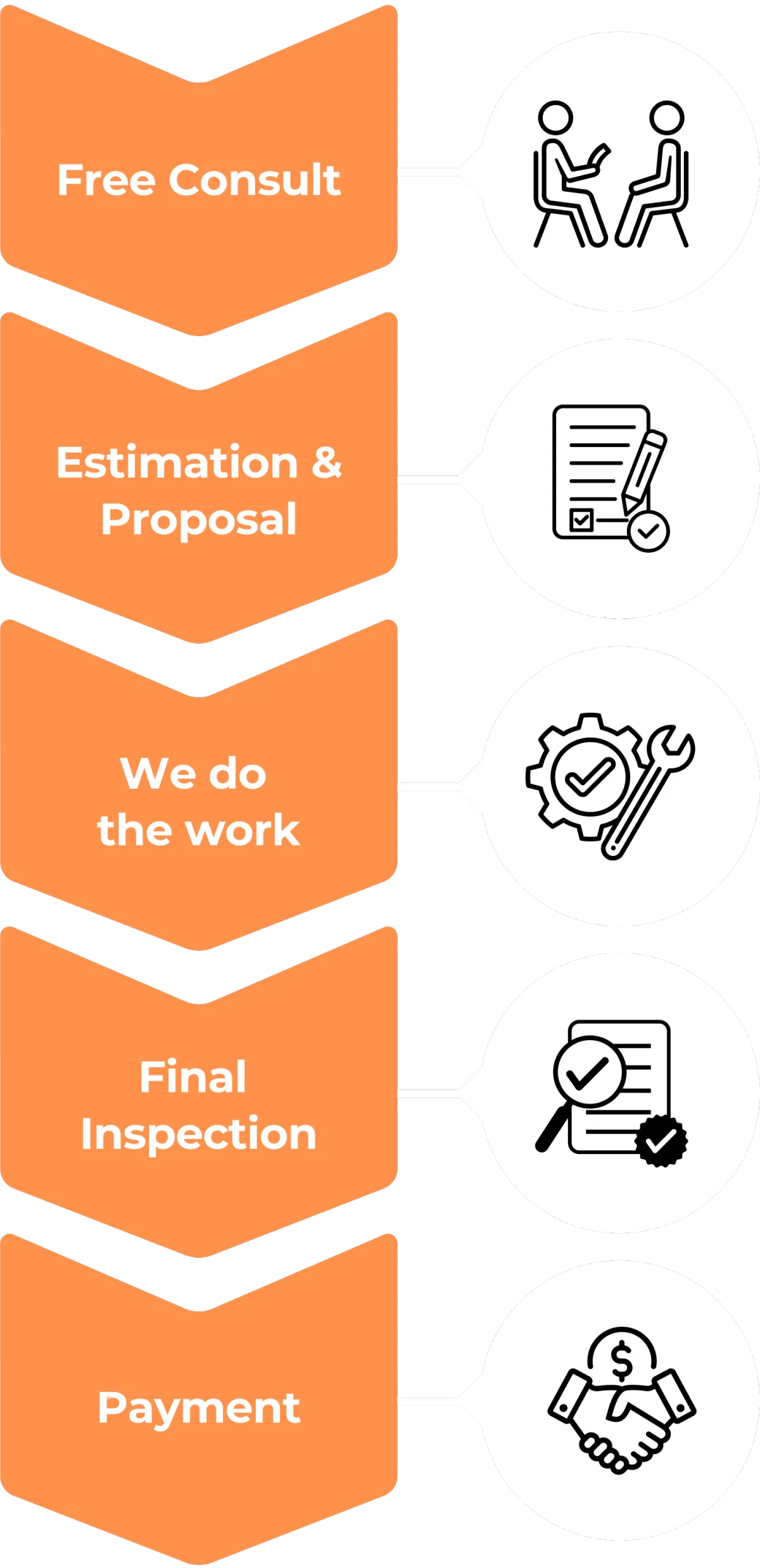
our process
Our process is simple and only contains a few simple steps

READY TO take the next step?
get a free quote TODAY!
IBV Transport Removalists Brisbane
1/16 McDougall St, Milton QLD 4064
0485 994 967
