BLOG
Understanding Safe Furniture Handling Practices and Damage Prevention Methods Used by Removalists Across Queensland Residential Moves
Assessing furniture type before movement begins
Different furniture items require different handling methods based on their structure, weight, and materials. Solid timber pieces behave differently under load compared to flat pack furniture or upholstered items.
Before movement begins, items are typically assessed for weak points such as loose joints, glass panels, or unsupported bases. These areas determine how the item is lifted, rotated, and carried through doorways or stairwells.
Items with removable parts are often separated where possible to reduce stress during transport and to minimise strain on connection points.
Wrapping and surface protection methods used during moves
Protective wrapping is used to reduce direct contact between furniture surfaces and external pressure points. Materials such as padded blankets and protective film help prevent scratches, scuffs, and impact marks during handling.
Corners and edges receive additional attention, as these areas are most likely to be damaged when moving through narrow hallways or around tight corners. Tables, cabinets, and entertainment units are commonly reinforced at edge points before being lifted.
Glass components are often individually secured to reduce vibration and movement during transport.
Lifting techniques and load distribution control
Correct lifting technique is central to preventing both furniture damage and injury risk. Items are lifted using controlled movements that keep weight evenly distributed between handlers.
When moving heavier furniture such as fridges or large wardrobes, the weight is positioned to remain stable throughout the lift. Sudden shifts in balance are avoided by adjusting grip positions before movement begins rather than during transport.
On staircases, controlled pacing is used to maintain stability between each step, particularly when dealing with uneven riser heights or narrow landings.
Managing tight access points and structural limitations
Many residential properties in Queensland include narrow door frames, small hallways, or sharp internal turns. These conditions require careful planning before large items are moved through the property.
In some cases, furniture must be rotated vertically or partially disassembled to fit through restricted spaces. This is done to avoid forcing items through openings where pressure could damage both the furniture and the building structure.
Protective coverings are also used on door frames and walls in high-contact areas to prevent marking during manoeuvring.
Transport stability and load securing during transit
Once loaded onto the truck, furniture must remain stable throughout transport. Items are positioned based on size, weight, and fragility to reduce movement during travel.
Heavier items are typically placed at the base of the load to create a stable foundation, while lighter or more fragile items are secured above. Gaps are filled to prevent shifting during braking or cornering.
Securing straps are used where necessary to maintain consistent pressure across the load and reduce internal movement during transport across longer distances.
DISCOVER WHAT OUR CUSTOMERS HAVE TO SAY ABOUT US
REVIEWS
REVIEW US ON GOOGLE
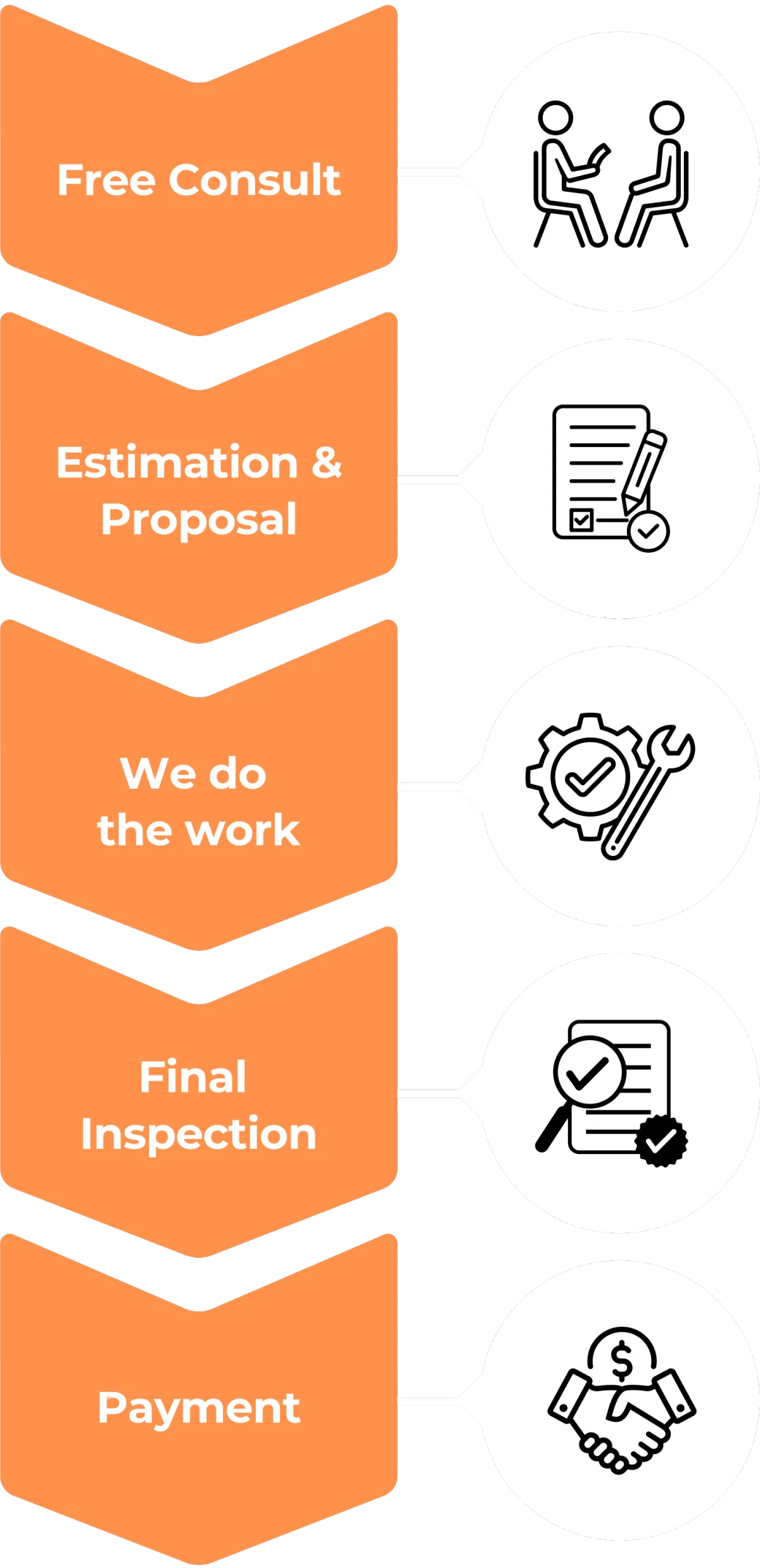
our process
Our process is simple and only contains a few simple steps

IBV Transport Removalists Brisbane
1/16 McDougall St, Milton QLD 4064
0485 994 967
